Know More about Alpaca
What is Alpaca?
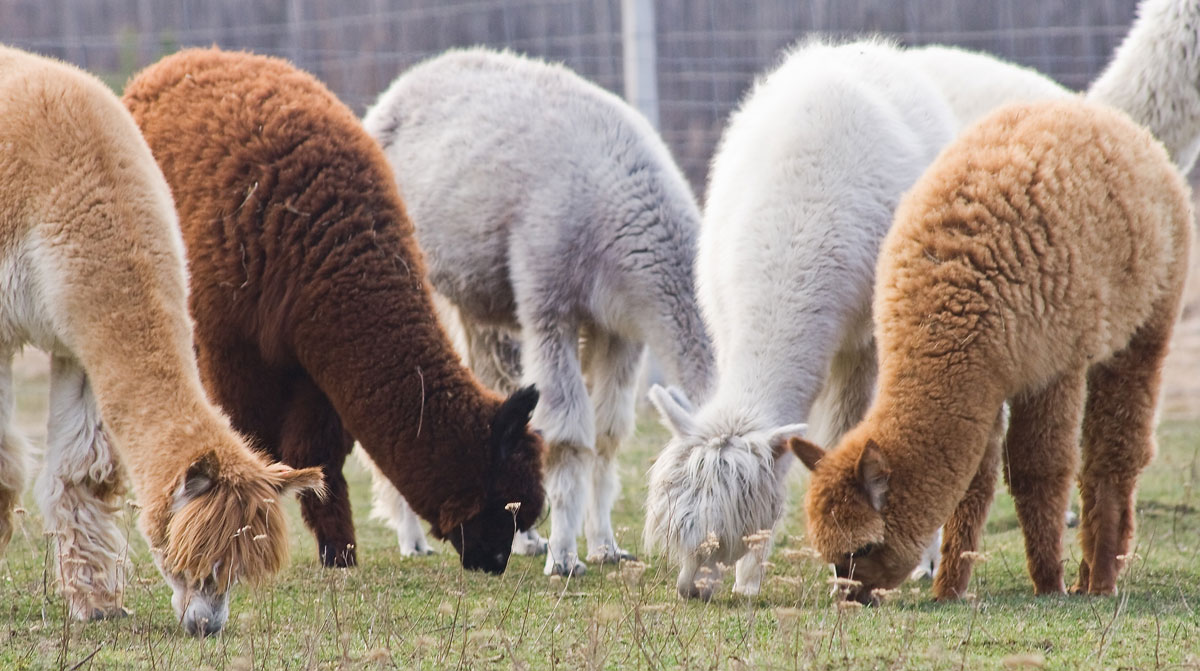
The Alpaca (Vicugna pacos) is a species of South American camelid. It is similar to, and often confused, with the llama. However, alpacas are often noticeably smaller than llamas. The two animals are closely related and can successfully cross-breed. Alpacas and llamas are also closely related to the vicuña, which is believed to be the alpaca's wild ancestor, and to the guanaco. There are two breeds of Alpaca: the Suri alpaca and the Huacaya alpaca.

History of Alpaca
Alpacas were a cherished treasure of the ancient Inca civilization. They played a central part in the Incan culture that was located on the high Andean plateau and mountains of South America. Alpacas have been domesticated for some 6,000 years and produce a fine cashmere-like fleece, once reserved for Incan royalty. Since then, alpacas have been treated as a unique and essential resource. Alpaca farming is now concentrated in the Altiplano area in the high altitude regions of Southern Peru, Bolivia and Chile. Alpaca farming outside of South America started in 1984 when alpacas were first imported into the United States. Farming spread further in 1989 with the export of the first alpacas from Peru and Chile to Australia and New Zealand. Today, there is worldwide commerce in the alpaca and its products.

Alpaca Behavior
Alpacas communicate through body language. The most common is spitting when they are in distress, fearful, or mean to show dominance. Male alpacas are more aggressive than females, and tend to establish dominance of their herd group. In some cases, alpha males will immobilize the head and neck of a weaker or challenging male in order to show their strength and dominance. Not all alpacas spit, but all are capable of doing so. "Spit" is somewhat euphemistic; occasionally the projectile contains only air and a little saliva, although alpacas commonly bring up acidic stomach contents (generally a green, grassy mix) and project it onto their chosen targets. Spitting is mostly reserved for other alpacas, but an alpaca will also occasionally spit at a human.
Alpaca Fleece
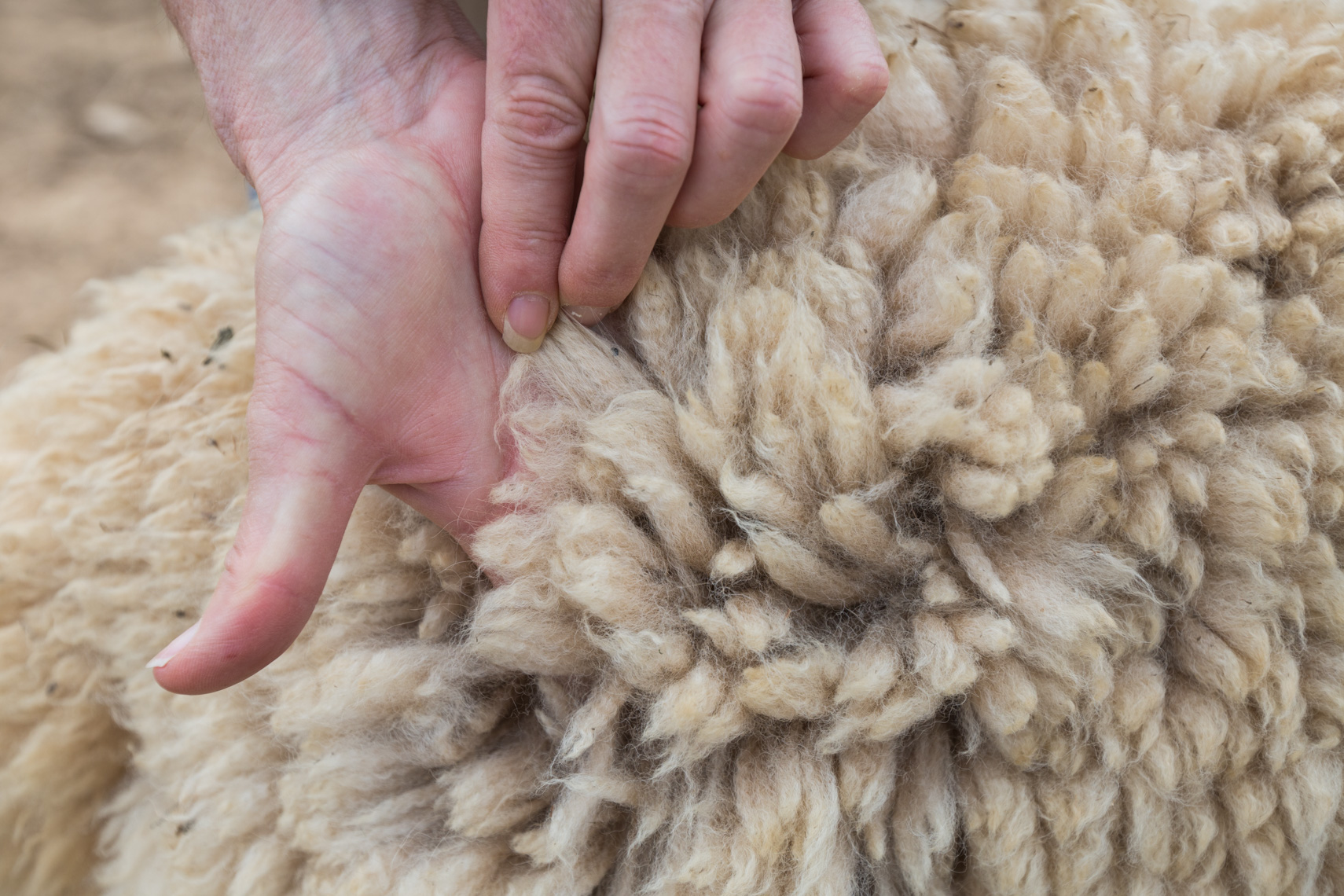
Alpaca fleece is the natural fiber harvested from an alpaca. It is light or heavy in weight, depending on how it is spun. It is a soft, durable, luxurious and silky natural fiber. While similar to sheep’s wool, it is warmer, not prickly, and has no lanolin, which makes it hypoallergenic. Alpaca fiber is naturally water-repellent and difficult to ignite. Huacaya, an alpaca that grows soft spongy fiber, has natural crimp, thus making a naturally elastic yarn well-suited for knitting. Suri has no crimp and thus is a better fit for woven goods. The designer Armani has used Suri alpaca to fashion men's and women's suits. Alpaca fleece is made into various products, from very simple and inexpensive garments made by the indigenous communities to sophisticated, industrially made and expensive products such as suits. In the United States, groups of smaller alpaca breeders have banded together to create "fiber co-ops," to make the manufacture of alpaca fiber products less expensive.