ABOUT ARCHAEOLOGY
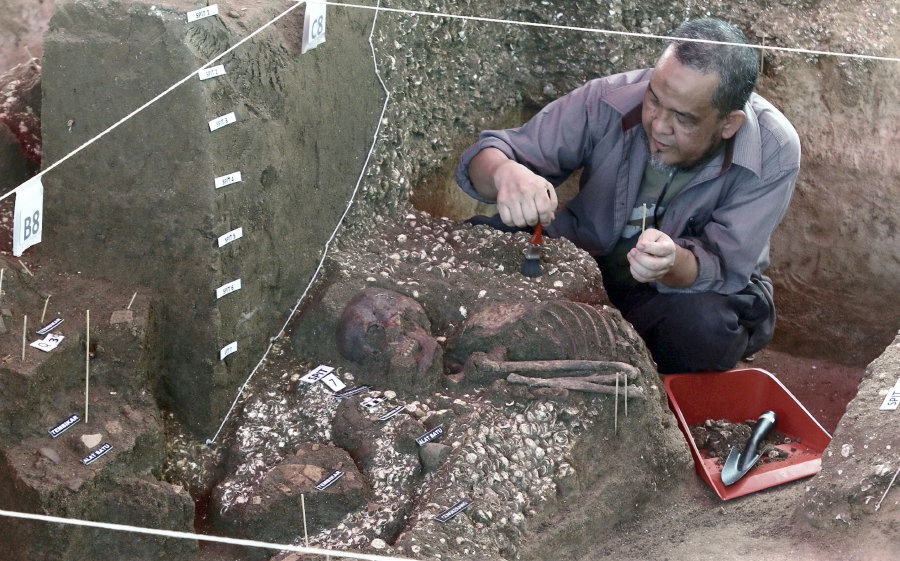
Archaeology is the study of past human behavior through the systematic recovery and analysis of material remains or objects. These objects, called artifacts, can be as small as a button or as large as a building. Either large or small, they are the evidence of past cultures. These artifacts are proof of those before us and serve as a physical connection to our past. Archaeology is divided into prehistoric and historical archaeology. Prehistoric archaeology is the study of cultures that did not have a written language. Although prehistoric peoples did not write about their culture, they left remains such as tools, pottery, ceremonial objects, and dietary refuse. Historical archaeology studies the remains of cultures for which a written history exists. Historical archaeology examines records from the past that include diaries; court, census, and tax records; deeds; maps; and photographs. Through combining the use of documentation and archaeological evidence, archaeologists gain a better understanding of the past and human behavior.